Is DIY electrical work legal in South Carolina?
By Amara Okafor · Updated 2026-07-06
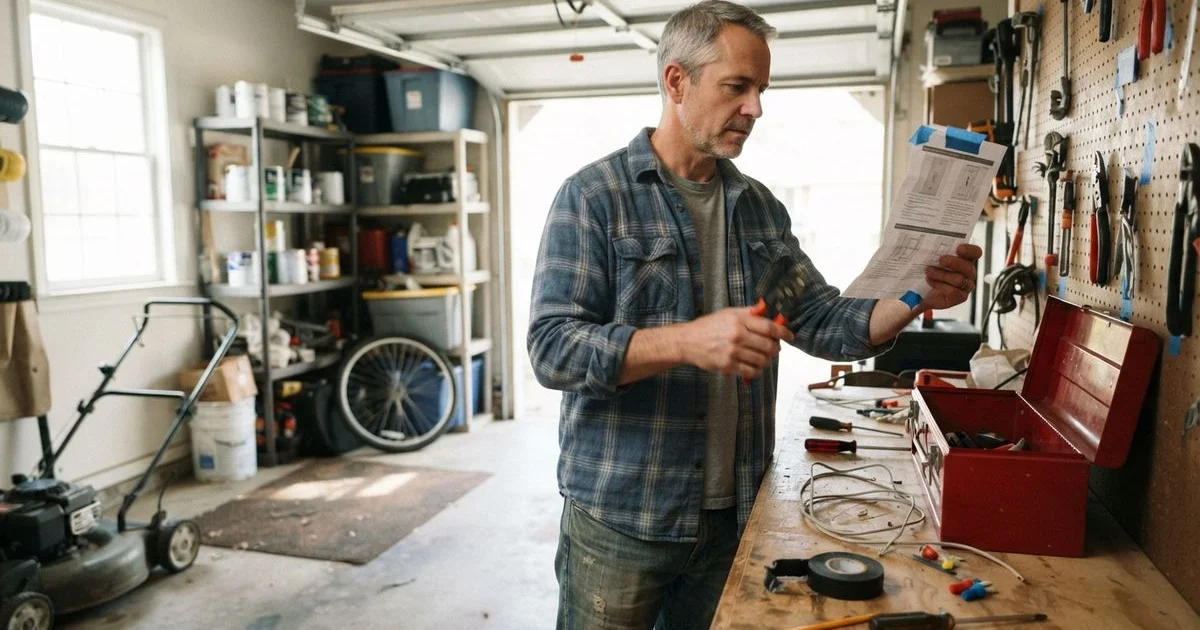
The line between “I can do that myself” and “this needs a licensed electrician” isn’t always obvious, and getting it wrong carries more risk than most other home DIY mistakes, since electrical errors don’t always show themselves right away. This is general information about how the DIY-versus-licensed line typically works, not legal advice specific to your situation. Confirm current rules with Spartanburg County or the City of Spartanburg before starting any project, since local permitting policy can change.
What’s generally fine to do yourself
Simple, low-risk tasks on your own primary residence are usually within reach for a reasonably careful homeowner: replacing a light fixture with a similar one, swapping a switch or outlet using the existing wiring, and installing a ceiling fan on existing wiring and support. These jobs use the wiring that’s already there and don’t change the electrical system’s capacity or layout.
What generally requires a licensed electrician
Anything involving new circuits, panel work, service upgrades, or wiring that runs through walls or ceilings typically needs a licensed electrician, both because of the skill involved and because most jurisdictions require it for permitted work. This includes:
- Panel upgrades or replacements
- Adding new circuits or dedicated circuits
- Whole-home or partial rewiring
- Standby generator installation
- Any work involving the service entrance or meter base
Why the distinction exists beyond just following rules
Electrical work done wrong doesn’t always fail immediately. A loose connection or undersized wire can work fine for months before it causes a problem, which is exactly why licensing and inspection requirements exist: to catch mistakes before they become a fire or shock hazard. A licensed electrician also carries liability insurance that covers you if something goes wrong during the work, which a DIY project or an unlicensed friend doesn’t.
| Task | Generally DIY-okay | Generally licensed-electrician-only |
|---|---|---|
| Like-for-like fixture swap | Yes | — |
| Outlet or switch replacement, existing wiring | Yes | — |
| New circuit installation | — | Yes |
| Panel upgrade or replacement | — | Yes |
| Whole-home rewiring | — | Yes |
| Standby generator installation | — | Yes |
| Service entrance or meter base work | — | Yes |
Can I pull my own permit?
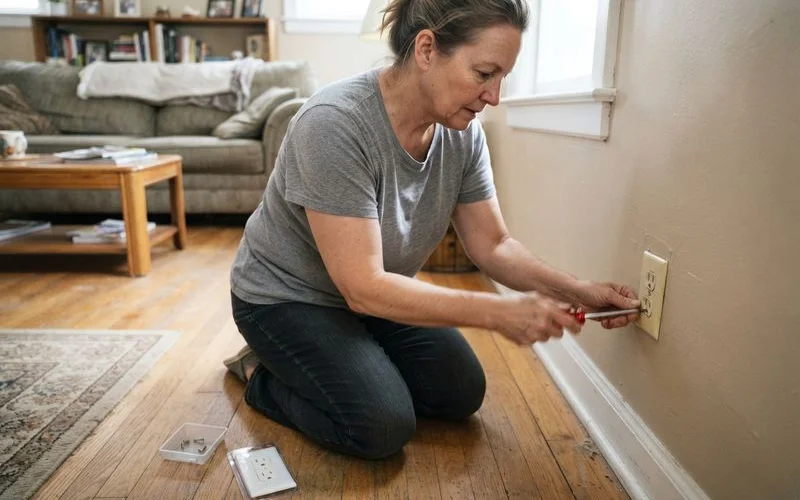
In some cases, South Carolina jurisdictions allow an owner-occupant to pull a permit and do work on their own primary residence, subject to the same inspection any licensed electrician’s work would face. Whether that applies depends on the specific job and current local policy. Even where it’s allowed, panel work and anything beyond basic repairs carries enough risk that most homeowners are better off hiring a licensed professional, both for safety and because a failed inspection means redoing the work.
Why homeowners get this wrong in both directions
Some homeowners avoid calling an electrician for tasks that are genuinely fine to do themselves, like swapping a switch plate, out of an overcautious sense that anything electrical is dangerous territory. Others do the opposite: a straightforward-looking outlet repair turns into running new wire because the existing connection is damaged, and the job quietly crosses into licensed territory without the person realizing it. The safest habit is to stop and reassess anytime a job’s scope changes mid-project, rather than assuming the original plan still applies once you’ve opened things up and found something unexpected.
The bottom line
If a job involves opening up your electrical panel, adding new circuits, or touching the service entrance, it belongs to a licensed electrician, both by rule in most cases and by common sense given the stakes. For simpler swaps using existing wiring, DIY is generally fine, but when you’re not sure which category a job falls into, treat it as licensed-electrician territory rather than guessing.
This is general information, not legal advice. Check current requirements with your local building department before doing electrical work yourself.
To find a licensed electrician for anything beyond basic repairs, browse listings from the home page, where providers are ranked using the criteria explained on the methodology page.
Questions people ask
- Can I legally replace an outlet or switch myself in South Carolina?
- Straightforward like-for-like replacement of an existing outlet or switch is generally something homeowners can do on their own primary residence. Once the job involves new wiring, a new circuit, or panel work, it typically crosses into licensed-electrician territory.
- Can I pull a permit and do panel work myself as the homeowner?
- Some jurisdictions allow an owner-occupant to pull a permit for work on their own primary residence, but the work still has to pass the same inspection a licensed electrician's work would. Given the risk involved in panel work, most homeowners are better served hiring a licensed professional even where it's technically allowed.
- What's the actual risk if I do wiring work myself and skip the permit?
- Beyond the safety risk of DIY electrical work done wrong, unpermitted work is a common discovery during a future home sale and can complicate closing, financing, or insurance. If something goes wrong, like a fire, DIY unpermitted work can also create liability and coverage problems.
- Is it legal to hire a friend who isn't a licensed electrician?
- Anyone doing electrical work for pay in South Carolina generally needs to be properly licensed. Hiring an unlicensed person, even informally, carries the same permit, inspection, and liability risks as doing the work yourself, without the cost savings of actually doing it yourself.