
Electrical permits in South Carolina: when you actually need one
By Amara Okafor · Updated 2026-07-03
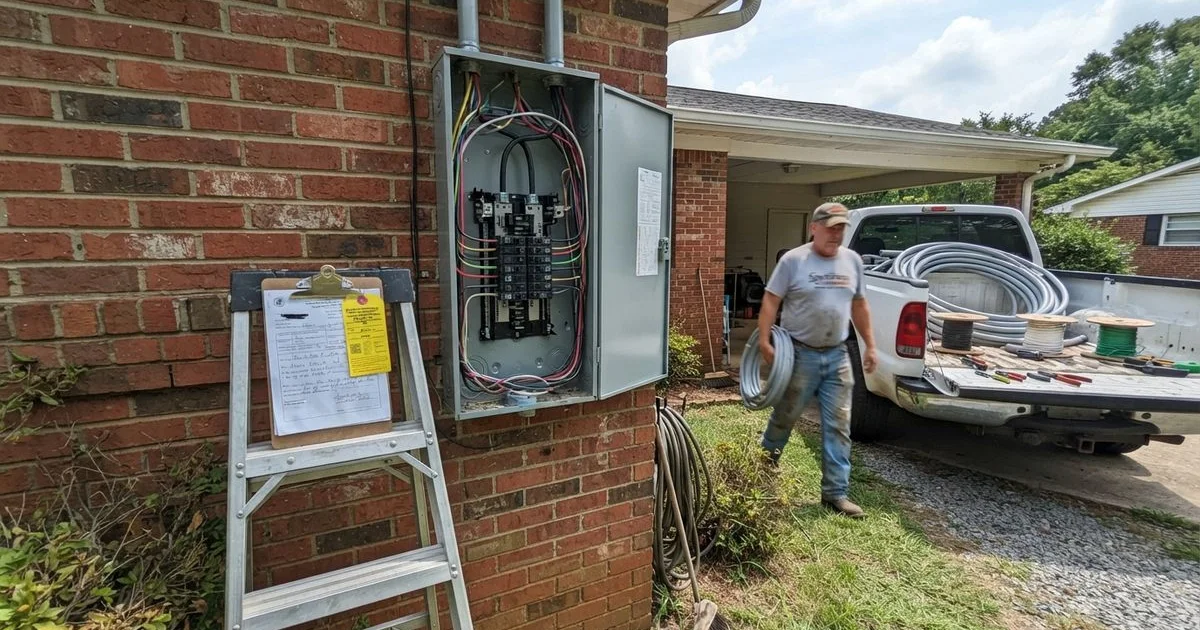
Permits are one of those things homeowners either don’t think about at all or actively try to avoid because they assume it means red tape and delay. In practice, a permit is what gets your electrical work independently checked by someone other than the person who installed it, and skipping one creates real risk later, especially at resale. This is general information, not a substitute for confirming current requirements with Spartanburg County or the City of Spartanburg directly, since local rules can change.
What typically requires a permit
Most panel replacements, new circuit installations, service upgrades, and significant rewiring require a permit in Spartanburg. Standby generator installations usually need both an electrical permit and, if new gas line work is involved, a separate gas permit. EV charger installations that involve a new dedicated circuit generally require one too.
What usually doesn’t
Simple like-for-like fixture swaps, replacing a switch or outlet using existing wiring, and minor repairs generally fall below the permit threshold. The line isn’t always obvious though, and it depends on scope, not just the type of job. A “repair” that turns into rewiring a room because the existing wiring is inadequate can cross into permit-required territory partway through.
| Job type | Permit typically needed? |
|---|---|
| Panel upgrade or replacement | Yes |
| New circuit or dedicated circuit installation | Yes |
| Standby generator installation | Yes, often electrical and gas |
| Whole-home rewiring | Yes |
| Like-for-like fixture or switch swap | Usually no |
| Minor outlet repair using existing wiring | Usually no |
| EV charger with new dedicated circuit | Typically yes |
Why the permit matters more than it seems
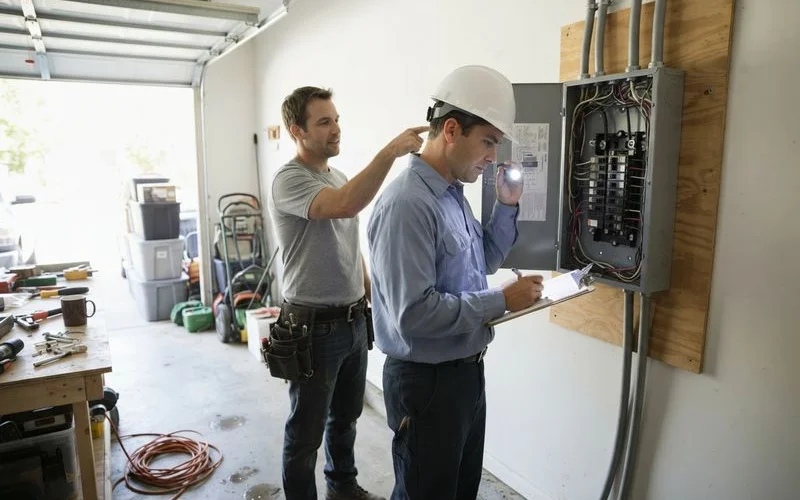
The permit itself is paperwork, but it triggers something more important: an independent inspection by a county or city inspector who checks wire gauges, grounding, panel capacity, and overall code compliance before signing off. That inspection is the actual safeguard. Without it, you’re relying entirely on the trust that the person doing the work did it correctly, with no second check.
What happens if you skip it
Unpermitted electrical work is a routine discovery during home inspections and title searches. It can delay or complicate a sale, since title companies and buyers’ inspectors are trained to spot signs of DIY or unlicensed work, like a panel that doesn’t match what’s on file with the county. Some mortgage lenders won’t finance a property with known code violations. Beyond resale, unpermitted work also means nobody has verified it’s actually safe, and if it later causes damage or a fire, that can create liability and insurance complications for the homeowner. For more on how that liability actually plays out, see the guide on who’s liable for unlicensed electrical work.
How to confirm your electrician is handling it
Ask directly whether your quote includes permit fees, and ask to see the permit once it’s filed. A contractor who pulls permits routinely as part of their process tends to move faster through the county’s system than one who treats it as optional, since they already know what documentation the inspector expects. If an electrician suggests skipping the permit to save time or money, treat that as a warning sign rather than a convenience.
What to do if you suspect past work wasn’t permitted
If you already own a home with electrical work you’re not sure was permitted, whether from a previous owner or an earlier project of your own, it’s worth checking rather than hoping it never comes up. Contact the county or city building department to search permit history against the address. If a gap turns up, an electrician can evaluate whether the existing work meets current code and, if needed, help bring it up to standard with a retroactive permit and inspection. This is a more straightforward fix earlier, before you’re mid-transaction on a sale with a buyer’s inspector flagging it.
This is general information about permitting practices, not legal advice. Confirm current requirements directly with your local building department before starting any project.
To find local electricians who handle permitting as part of their process, browse listings by category from the home page, where providers are ranked using the criteria explained on the methodology page.
Questions people ask
- Does replacing a light fixture need a permit?
- Generally no, a straightforward like-for-like fixture swap using existing wiring typically doesn't require a permit. New circuits or significant new wiring usually do. When in doubt, ask the electrician directly rather than assuming.
- What happens if I skip a permit and try to sell my house later?
- Unpermitted work is a common discovery during a home inspection or title search. It can delay closing, require costly remediation to bring the work up to code retroactively, and in some cases affect financing since lenders may not finance a property with known code violations.
- Can I pull my own electrical permit and do the work myself?
- In some cases, an owner-occupant can pull a permit for work on their own primary residence, but the work still must pass the same code inspection a licensed electrician's work would. Check with Spartanburg County or the City of Spartanburg's building department for current rules, since owner-permit policies vary and change.
- Does a permit cost a lot?
- Permit fees themselves are typically a modest line item relative to the overall job cost. The bigger cost driver is usually what the required inspection uncovers, not the fee for the permit itself.