
New homeowner electrical checklist: what to check in year one
By Amara Okafor · Updated 2026-07-10
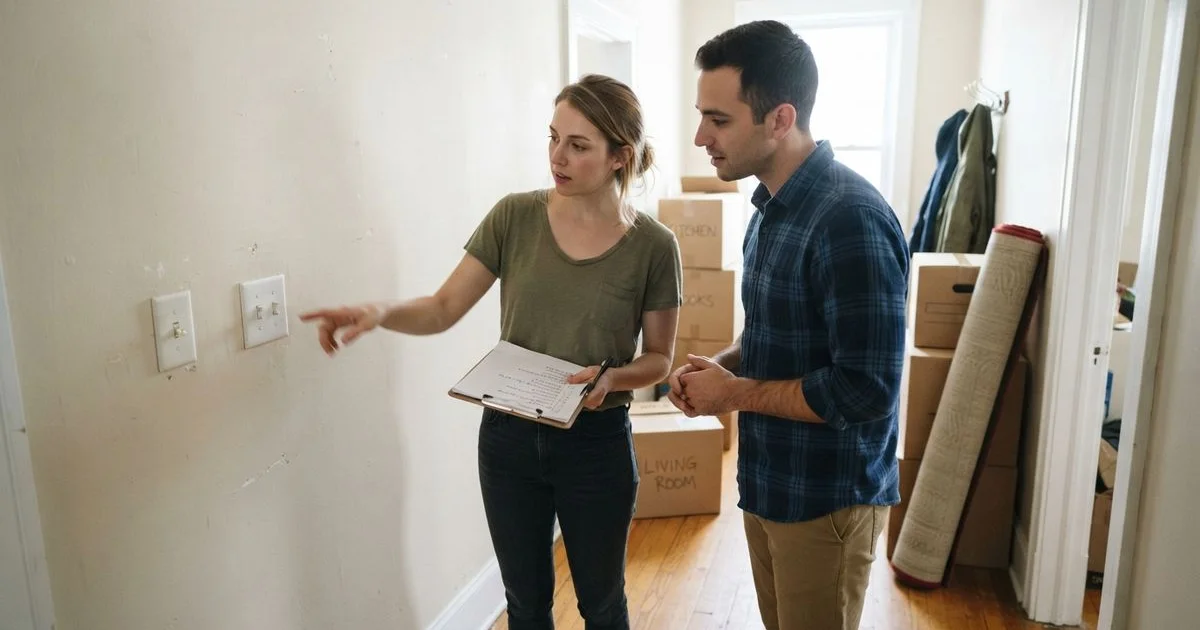
The first year in a new home is full of small discoveries, and electrical items are some of the easiest to overlook since most of them work fine until suddenly they don’t. This checklist covers what’s worth checking early, before you’re dealing with a problem instead of getting ahead of one.
Get familiar with your panel
Find your electrical panel and note its amperage rating and brand. If it’s a Federal Pacific Electric or Zinsco panel, both known for breaker failure issues, flag it for an electrician’s evaluation even without symptoms. Label breakers if the previous owner didn’t, since knowing which breaker controls which room saves real time during an actual outage or repair.
Test your safety devices
- GFCI outlets in kitchens, bathrooms, garages, and outdoor areas: press test, confirm power cuts, press reset
- AFCI breakers if your panel has them, which protect against dangerous arcing in bedrooms and living areas
- Smoke detectors: check age (most have a 10-year service life printed on the unit) and test function
- Carbon monoxide detectors: confirm you have them and that they’re functioning, especially if you have gas appliances or plan to add a generator
Walk the house for warning signs
Spend a few minutes checking outlets and switches throughout the home for warm covers, discoloration, or a faint burning smell, especially in older sections of the house. Note any outlets that don’t hold a plug snugly or breakers that seem to trip more than expected once you’re living in the space and using it normally.
Check for unpermitted work
Ask your real estate agent or the county building department for the property’s permit history if you didn’t get this during the buying process. Compare it against anything that looks like a past electrical change: an outlet added in an unusual spot, a subpanel in a garage or shed, or a panel that looks newer than the rest of the home’s wiring. A mismatch between visible work and permit records doesn’t necessarily mean something’s wrong, but it’s worth having an electrician look at rather than assuming the previous owner handled it correctly.
| First-year task | Why it matters |
|---|---|
| Note panel amperage and brand | Flags outdated or recalled panel types early |
| Test all GFCI outlets | Confirms safety devices actually work, not just present |
| Check smoke and CO detector age | Previous owners don’t always maintain these |
| Walk the house checking outlets | Catches warning signs before they become urgent |
| Pull permit history if unsure of past work | Flags any unpermitted changes you now own |
| Schedule an electrical evaluation if home is older | Deeper check than a standard purchase inspection |

When to bring in an electrician early
If your home is older, especially near downtown Spartanburg or in one of the mill village neighborhoods where 60 or 100-amp panels are still common, a dedicated electrical evaluation in your first year is worth the cost even if nothing seems obviously wrong. This is especially true if you’re planning to add central air, an EV charger, or a generator, since those additions can reveal capacity issues your existing panel wasn’t built to handle.
If you skipped a pre-purchase electrical evaluation, or the general home inspection only gave the electrical system a cursory look, it’s not too late to get one now. Catching an issue in year one, while it’s still minor, is a lot cheaper than dealing with it after it’s caused damage.
None of this needs to happen in your first week. Spread it across the first few months as you settle in, and treat the panel and safety device checks as the priority items if time is limited. The rest, permit history, outlet reachability, general wear, can follow at a more comfortable pace once the basics are confirmed.
To find a local electrician for a first-year evaluation, browse the residential electrical category, where providers are ranked using the criteria explained on the methodology page. Start from the home page to compare across all electrical categories serving Spartanburg.
Questions people ask
- Do I really need an electrical inspection if the home passed its purchase inspection?
- A standard home inspection covers the basics but isn't as deep as a dedicated electrical evaluation. If your home is older, near downtown Spartanburg, or you noticed anything unusual during the walkthrough, a separate evaluation in your first year is worth the cost.
- How do I test GFCI outlets myself?
- Most GFCI outlets have test and reset buttons built in. Press test, and the outlet should cut power, indicated by the reset button popping out. Press reset to restore power. If an outlet doesn't trip on test, it may not be functioning correctly and should be checked by an electrician.
- What's the most commonly missed item on a new homeowner checklist?
- Smoke and carbon monoxide detector age and battery type. Many buyers assume existing detectors work fine, but hardwired units and their backup batteries have service lives, and previous owners don't always maintain them.
- Should I get to know my panel even if nothing seems wrong?
- Yes. Knowing your panel's amperage, brand, and which breaker controls which room saves real time during an actual problem, and it's a five-minute task worth doing in your first weeks in a new home.
Related on this site
- Browse residential electrical providers
- Warning signs your home's wiring or panel needs attention now
- What to check electrically before buying an older Spartanburg home
- Where GFCI outlets are required in your home (and how to test them)
- Electrical safety upgrades to help an aging parent stay home
- All guides →