
Where GFCI outlets are required in your home (and how to test them)
By Amara Okafor · Updated 2026-07-11
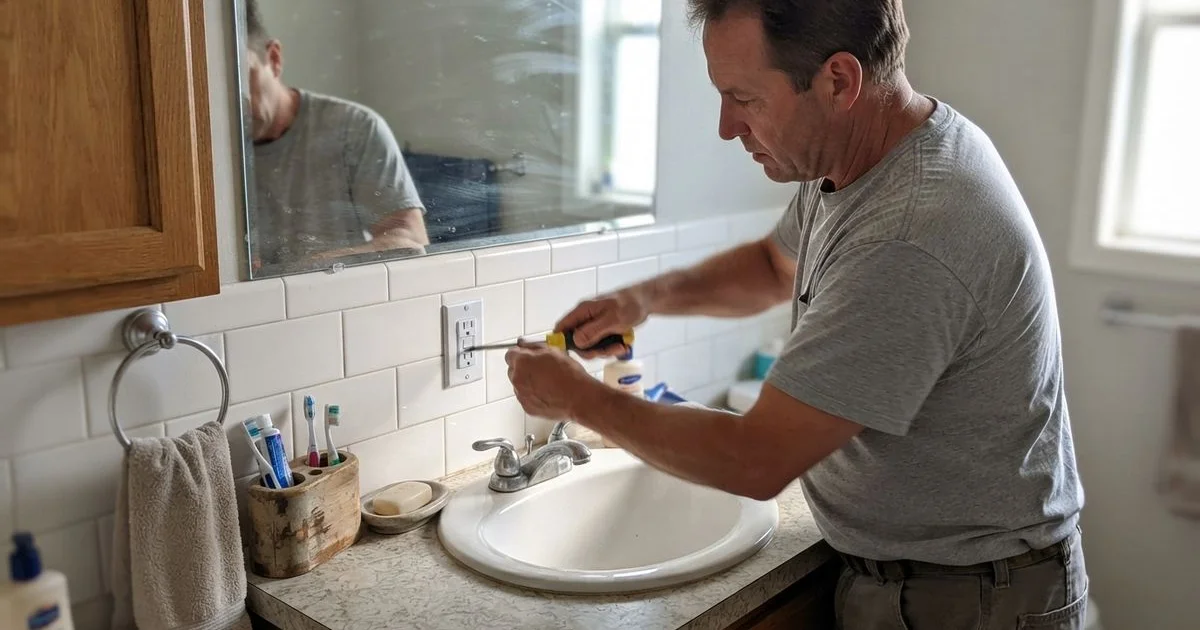
GFCI outlets look like ordinary outlets with two small buttons, and it’s easy to forget they’re doing anything until the moment they actually save you from a shock. Knowing which rooms need them and confirming the ones you have actually work is a five-minute task that matters more than it seems.
What a GFCI outlet actually does
A ground-fault circuit interrupter monitors the electrical current flowing through a circuit and cuts power almost instantly if it detects current escaping along an unintended path, like through water or a person. This happens fast enough to prevent a serious shock in situations a standard breaker wouldn’t catch, since a standard breaker responds to overloads and short circuits, not this specific kind of fault.
Where they’re generally required
Current electrical code requires GFCI protection in areas where electricity and moisture are more likely to meet:
- Kitchens, especially outlets serving countertops near sinks
- Bathrooms
- Garages and unfinished basements
- Outdoor outlets
- Laundry areas
- Near any utility sink or wet bar
Where they’re often missing in older homes
Homes built before GFCI requirements became standard, generally decades ago, frequently have standard outlets in these same locations. This isn’t automatically dangerous, but it’s a gap worth closing, especially in kitchens, bathrooms, and outdoor areas where the risk is highest. Spartanburg’s older housing stock, particularly homes near downtown and in the mill village neighborhoods, is a common place to find this gap, since much of it predates the code updates that made GFCI protection standard in wet-area rooms.
Outdoor outlets deserve extra attention beyond just having GFCI protection. They also need a weatherproof, in-use cover that keeps the outlet protected even with a cord plugged in, not just a flip-lid cover that only closes when nothing’s connected. A GFCI outlet without proper weatherproofing outdoors is only doing half its job.
| Area | GFCI generally required | Common gap in older homes |
|---|---|---|
| Kitchen countertop outlets | Yes | Common in homes built before code updates |
| Bathrooms | Yes | Common in homes built before code updates |
| Garage and unfinished basement | Yes | Frequently missing |
| Outdoor outlets | Yes | Frequently missing or non-weatherproof |
| Laundry area | Yes | Sometimes missing |
| Bedrooms and living areas | Not typically GFCI, but often AFCI-protected | N/A |
How to test the ones you already have
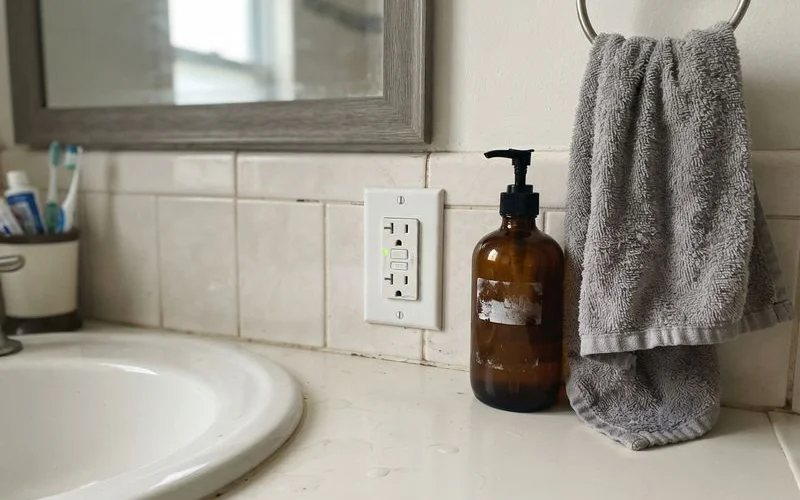
Every GFCI outlet has a test and reset button built in. Press test, and you should hear or feel a click as power cuts to the outlet, with the reset button popping slightly outward. Press reset to restore power. If pressing test doesn’t cut power, or the outlet won’t hold after reset, that’s a sign the outlet isn’t functioning correctly and needs an electrician’s attention rather than continued use. Testing monthly is a reasonable habit, since GFCI protection can degrade over time without any visible sign.
If your older home is missing GFCI protection
Adding GFCI protection doesn’t necessarily mean replacing every outlet in a room. A single GFCI outlet placed correctly in a circuit can protect every standard outlet wired downstream of it, or a GFCI breaker at the panel can protect an entire circuit at once. An electrician can evaluate your home’s wiring and recommend the more efficient option rather than assuming every outlet needs individual replacement.
This matters beyond convenience. A GFCI-protected circuit that trips during an actual fault is doing exactly what it’s designed to do, so a home with none of this protection is relying entirely on a standard breaker that wasn’t built to catch a ground fault in the first place. For a relatively small cost, closing this gap in a kitchen, bathroom, or outdoor circuit is one of the more straightforward safety upgrades an older home can get, and it’s worth pairing with a broader check of your panel and wiring if you haven’t had one recently. If you’ve just moved in, the new homeowner electrical checklist walks through the rest of what’s worth checking in year one.
To have your home’s GFCI coverage evaluated, browse the residential electrical category, where local providers are ranked using the criteria explained on the methodology page. Start from the home page to compare across Spartanburg’s electrical categories.
Questions people ask
- Do all outlets in my kitchen need to be GFCI?
- Current code generally requires GFCI protection for kitchen outlets serving countertop surfaces, since those are near sinks and water. Not every single outlet in the room necessarily needs it, but any near water sources typically do.
- My GFCI outlet won't reset. What does that mean?
- A GFCI that won't reset can mean a genuine fault on the circuit, a wiring issue, or a failing outlet that needs replacement. Don't keep resetting it repeatedly hoping it holds. Have an electrician check it.
- Can I add GFCI protection without replacing every outlet on a circuit?
- Yes. A single GFCI outlet placed first in a circuit's wiring path can protect every standard outlet downstream of it, or a GFCI breaker at the panel can protect the entire circuit. An electrician can tell you which option fits your home's wiring.
- How often should I test GFCI outlets?
- Monthly is a common recommendation, since GFCI protection can fail silently. It takes about ten seconds using the built-in test and reset buttons.