
What to check electrically before buying an older Spartanburg home
By Amara Okafor · Updated 2026-07-05
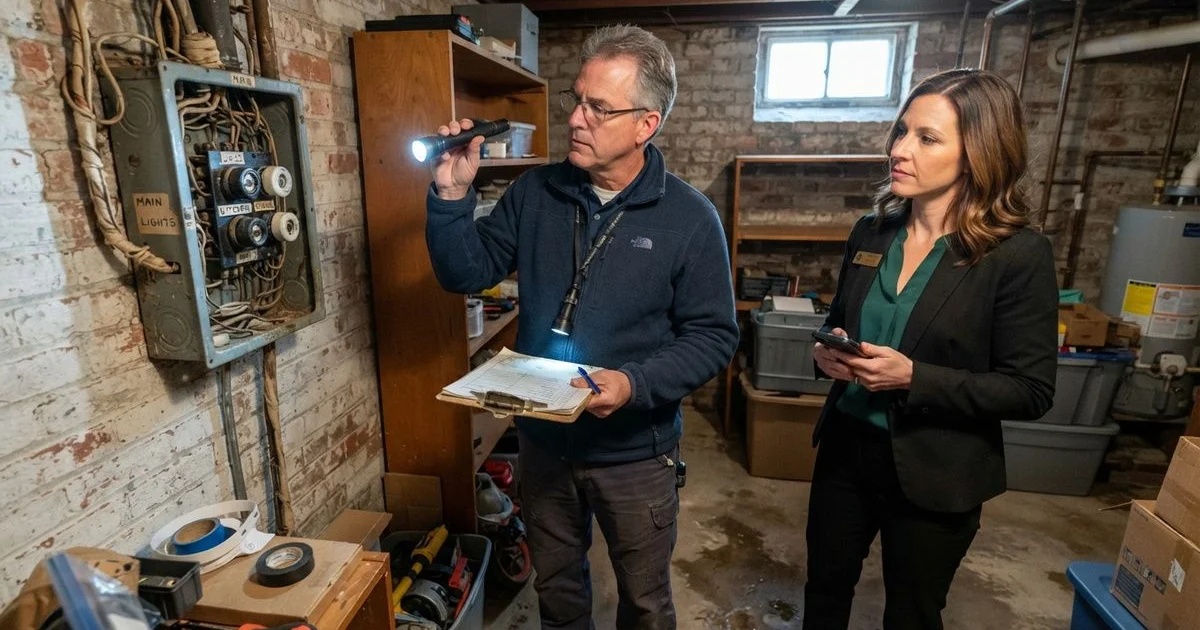
Buying a home means inheriting whatever electrical decisions previous owners made, sometimes decades ago and not always to code. Spartanburg has a real mix of housing stock, from newer subdivisions to older homes near downtown and the mill village neighborhoods still running on panels and wiring from a different era. Knowing what to check before you close can save you from a surprise repair bill in your first year.
Check the panel first
The electrical panel tells you more than almost anything else about a home’s electrical health. Look at, or ask your inspector to note, the panel’s amperage rating and brand. A 60-amp panel is genuinely outdated by modern standards. A 100-amp panel is workable but limits what you can add later without an upgrade. Also flag Federal Pacific Electric or Zinsco panels specifically, both known for breakers that can fail to trip during an overload, which is a real safety concern regardless of whether the home has had any visible problems.
Look for signs of the home’s wiring era
Homes built in the 1960s and 70s sometimes used aluminum branch wiring instead of copper, which oxidizes over time and loosens connections. Homes built earlier may still have knob-and-tube wiring in parts of the house, an older system with no ground wire. Neither is an automatic dealbreaker, but both change what a future electrician needs to account for, and both are worth knowing about before you buy rather than discovering after.
Once you own the home, keep an eye out for symptoms developing in that older wiring. The warning signs guide covers what a real problem looks like versus a false alarm.
Ask about permit history
Unpermitted electrical work is common in older homes, especially ones that have changed hands a few times or had DIY-friendly past owners. Ask your agent to check permit history with the county, and look for signs during a walkthrough that don’t match: a panel that looks newer than the rest of the house’s wiring, or added outlets and circuits with no obvious professional finish.
| Check | What to look for | Why it matters |
|---|---|---|
| Panel amperage | 60, 100, 150, or 200 amp rating | Determines what you can add without an upgrade |
| Panel brand | Federal Pacific, Zinsco flagged for failure risk | Known safety issue independent of visible symptoms |
| Wiring type | Aluminum or knob-and-tube signs | Changes maintenance needs and insurance considerations |
| Permit history | Match between visible work and county records | Unpermitted work can complicate future resale or insurance |
| Outlet condition | GFCI presence in kitchens, baths, outdoors | Code requirement in wet areas, missing GFCI is a common gap in older homes |
When to bring in an electrician before closing
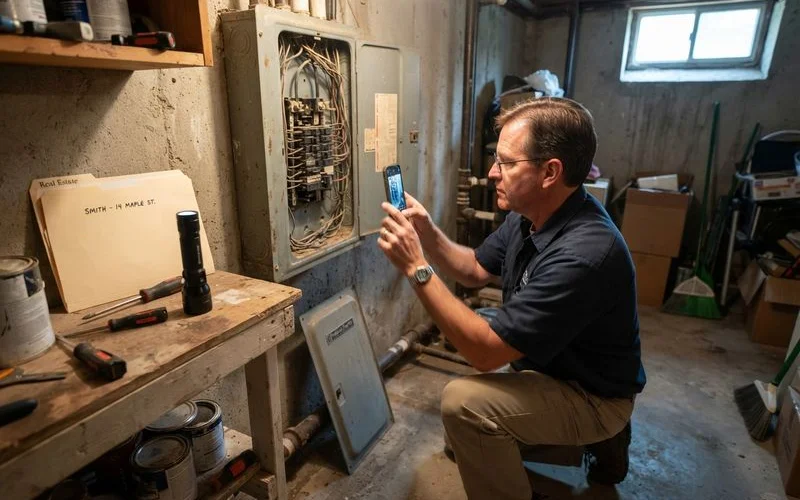
If the general home inspection flags anything electrical, or the home’s age and location suggest older wiring, it’s worth the cost of a separate electrical evaluation before you’re locked into closing. This is especially true if you’re planning near-term additions like central air, an EV charger, or a generator, since those can turn a marginal panel into an immediate upgrade need. A pre-purchase evaluation gives you real numbers to negotiate with, rather than discovering the issue after you own the problem.
Some outdated panel brands and unpermitted wiring situations can also affect what a homeowners insurance policy will cover or how much it costs, so it’s worth mentioning any electrical findings to your insurance agent during the process, not just your lender.
Negotiating around what you find
If an electrical evaluation turns up real issues, treat it as a negotiating point rather than a reason to walk away outright, unless the findings are severe. Get a written estimate from a licensed electrician for the needed work, and use that number to request either a price reduction, a closing credit, or that the seller complete the repair before closing. Sellers are often more receptive to a credit than to managing the repair themselves on a timeline, since it lets you choose your own electrician and schedule the work after you’ve moved in.
To find an electrician for a pre-purchase evaluation, browse the residential electrical category, where local providers are ranked using the criteria on the methodology page. Start from the home page to compare across all electrical services in Spartanburg.
Questions people ask
- Do standard home inspections catch every electrical issue?
- A general home inspector checks for obvious problems, but they're not an electrician. If your inspection flags anything electrical, or the home is older or near downtown Spartanburg with likely older wiring, it's worth paying for a separate electrical evaluation before closing.
- Is a 100-amp panel a dealbreaker?
- Not automatically. Many homes run fine on 100 amps if you're not adding heavy loads like central air, an EV charger, or a generator. It becomes a real cost consideration if you plan to add any of those, since it may trigger a panel upgrade.
- How do I find out if past electrical work was permitted?
- Your real estate agent or the county building department can often pull permit history for a property. A pattern of visible electrical changes with no matching permit record is worth raising during negotiation.
- Should I ask for an electrical credit or repair before closing?
- If an inspection finds real issues, like an outdated panel brand or unpermitted work, it's reasonable to negotiate a credit or request the seller address it before closing. Get a written estimate from an electrician to support the number you're asking for.
Related on this site
- Browse residential electrical providers
- Warning signs your home's wiring or panel needs attention now
- New homeowner electrical checklist: what to check in year one
- Where GFCI outlets are required in your home (and how to test them)
- Electrical safety upgrades to help an aging parent stay home
- All guides →