
Getting your home ready for storm season: generator and electrical prep
By Amara Okafor · Updated 2026-07-13
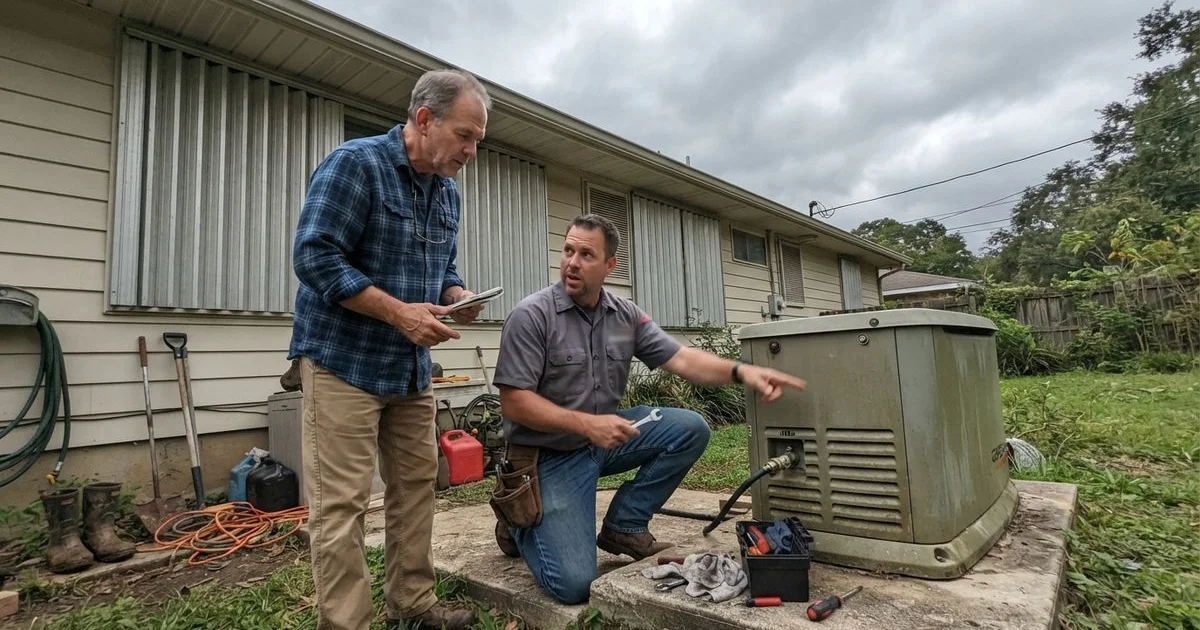
Storm season prep tends to focus on trees, gutters, and emergency supplies, and electrical readiness gets overlooked until the power’s already out. A little planning ahead of time, especially anything involving installation, makes a real difference when the actual outage hits.
Why timing matters more than people expect
If you’re considering a standby generator, the worst time to start that process is once a storm is already forecast. Sizing the unit, running gas line work if needed, pulling permits, and scheduling installation all take time, often a month or more from first call to a fully operational system. Electricians who install generators typically see demand spike right before and during storm season, which means booking early gets you ahead of a backlog that only grows as the season progresses.
Standby generator checklist
- Get your home sized for the right generator capacity based on what you want covered: essentials only, most of the home, or everything including HVAC
- Confirm gas line capacity if you’re running natural gas or propane
- Schedule installation well ahead of storm season, not during it
- Test and service an existing generator before the season starts rather than waiting for the first outage to find out it doesn’t start
If you’re relying on a portable generator instead
Portable generators come with their own safety considerations that matter more under storm-season pressure, when people are more likely to cut corners. Never run one indoors, in a garage, or near windows and doors, since it produces carbon monoxide just like a standby unit. Keep it a safe distance from the house and have fuel stored safely and legally ahead of time, not scrambled for during the outage. Test the unit before the season starts too, not just once weather is already in the forecast. A generator that’s sat unused for a year is a common source of last-minute frustration precisely when you need it most.
Beyond the generator: general storm readiness for your electrical system
Trim tree branches that hang over service lines running to your home, since falling limbs are a common cause of localized outages and can also damage your electrical service entrance. If you have a sump pump, make sure it’s on a circuit that’s covered by your backup power plan, since basement flooding during a storm compounds an outage rather than just adding to it. And keep a simple written note near your panel listing which breaker controls which room, so anyone in the household can find the right breaker quickly during a stressful moment rather than flipping switches by trial and error.
| Prep task | Timing | Why it matters |
|---|---|---|
| Size and install standby generator | 4+ weeks before season | Sizing, permits, and gas work take real time |
| Service existing standby generator | Before season starts | Units that sit unused can fail exactly when needed |
| Test transfer switch | Before season starts | Confirms automatic switchover actually works |
| Stage portable generator safely | Before season starts | Reduces last-minute unsafe placement decisions |
| Check panel condition | Anytime, ideally before season | Storm-related surges stress an already weak panel |
Don’t skip your panel
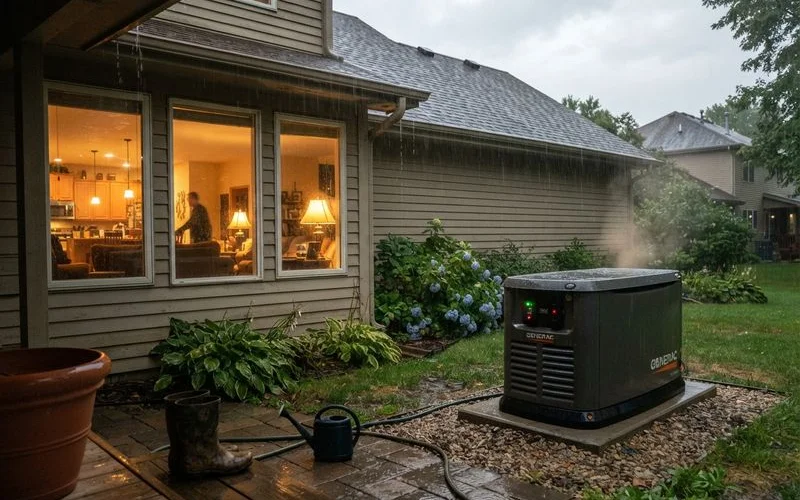
If your panel is already showing warning signs, breakers that trip more than they should, warm covers, or an outdated brand like Federal Pacific or Zinsco, storm season is a bad time to find out the hard way. Power surges during storms and the restoration process afterward put extra stress on a system that’s already marginal. Getting a panel evaluated before the season starts, even without adding a generator, is a reasonable precaution for older Spartanburg homes.
Building the habit
Storm season prep works best as an annual routine rather than a one-time scramble. Once a generator is installed and tested, the yearly task shrinks to servicing and a transfer switch test, which takes far less time than the original installation ever did.
To find a local generator installer or panel evaluation, browse the generator installation category, where providers are ranked using the criteria explained on the methodology page. Start from the home page to compare across Spartanburg’s electrical categories.
Questions people ask
- How far ahead of storm season should I schedule a generator installation?
- Ideally a month or more, since sizing, permitting, and gas line coordination take time beyond the actual install day. Waiting until a storm is in the forecast usually means a much longer wait for scheduling.
- Does Spartanburg actually need storm-season generator prep?
- Upstate South Carolina isn't hit by hurricanes directly as often as the coast, but it does see remnant storm systems, severe thunderstorms, and occasional winter ice storms that knock out power, sometimes for extended periods. Preparation matters even without direct hurricane landfall.
- What's the difference between prepping for a standby generator and a portable one?
- A standby generator is a planned installation project done well ahead of time. Portable generator prep is more about having fuel on hand and knowing safe operating placement in advance, since you don't want to be figuring that out for the first time during an actual outage.
- Should I get my panel checked before storm season even without adding a generator?
- It's a reasonable idea, especially in an older home, since a panel already showing signs of strain is more likely to have problems during storm-related power surges or restoration after an outage.